

|
| We Were Helpless, Not Silent: Kashmir–Palestine Solidarity, Faith Under Genocide and Global Betrayal |
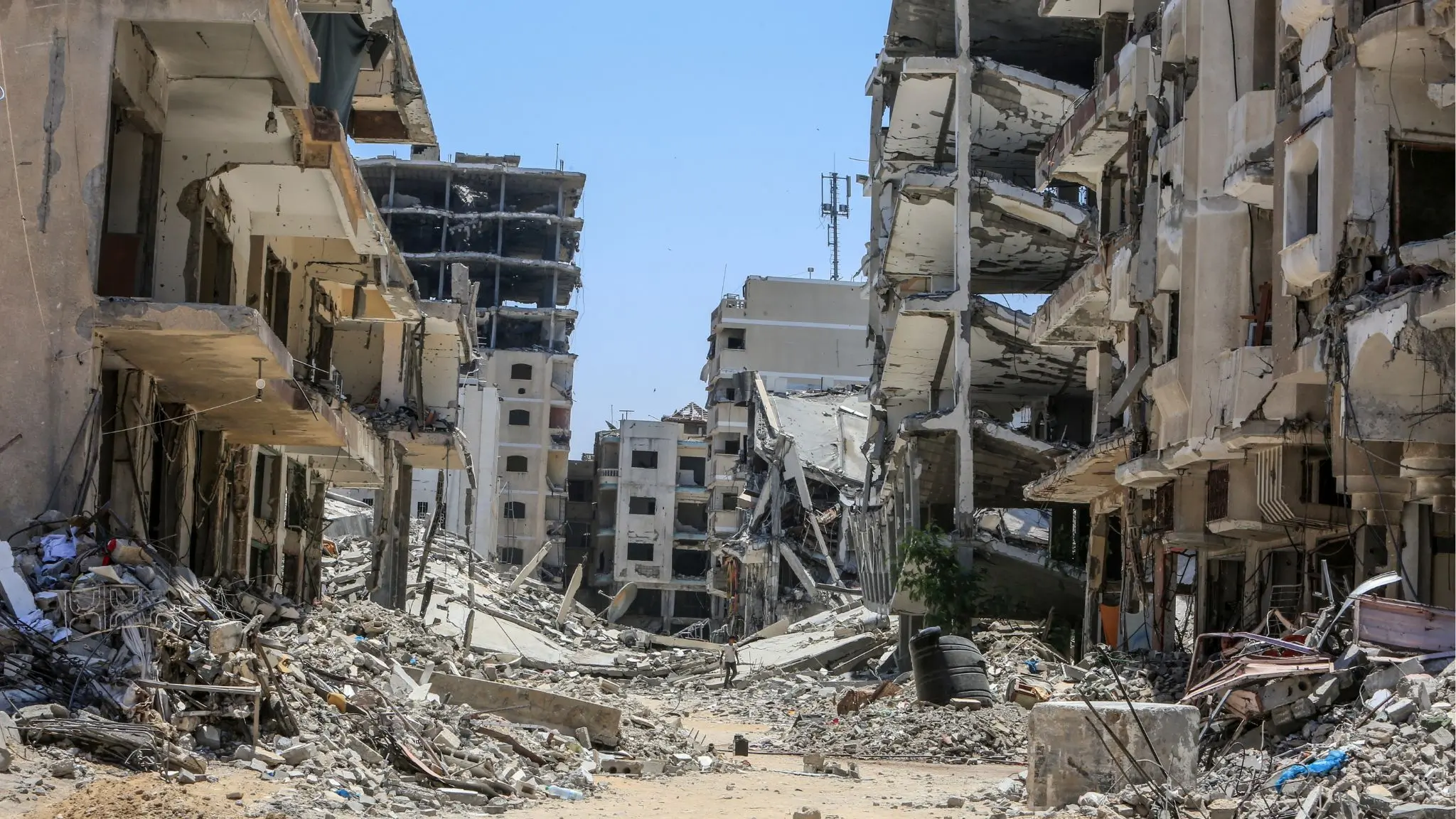
We Were Helpless, Not Silent: A Kashmiri Muslim’s Declaration to History
Author’s Note
This article is not written to seek sympathy, approval, or applause. It is written as a witness statement—before Allah, before history, and before generations yet to come. I write as a Muslim, as a Kashmiri, and as someone who understands oppression not from screens or headlines, but from lived reality. This is not an attempt to soften the truth, nor to hide behind polite language. Silence in times of genocide becomes complicity for those who possess power. For those who do not, silence is often the last consequence of being crushed. This article draws a clear line between the two.
Introduction
As a Muslim, my faith binds me inseparably to the people of Gaza, to Palestine, and to every land where believers are crushed under occupation, siege, and systematic violence. Our unity is not political; it is theological. One Qur’an. One Qiblah. One belief in Allah. One understanding that oppression—wherever it occurs—is an attack on the Ummah as a whole.
I write this as a Kashmiri, from Kashmir, a land that has known occupation, curfews, mass killings, enforced disappearances, and decades of collective punishment. We are not spectators to Gaza’s suffering; we are its reflection. What happened to the Palestinians is not foreign to us—it is painfully familiar.
More than seventy thousand Palestinians have been killed. Entire bloodlines erased. Children buried under rubble. Mothers turned into statistics. This was not hidden. This was not sudden. This was not unclear. It happened in front of the world, live-streamed, documented, and justified. And while the genocide reached its peak, the world’s conscience collapsed.
People may one day ask: Where were the Muslims? Where were the believers? Where were the voices? To them, this article answers clearly: we were there—but we were also imprisoned, occupied, silenced, and stripped of power. Do not confuse the oppressed with the rulers. Do not confuse helplessness with hypocrisy.
بیچ کر تلواریں ہم نے خرید لیے مصلّے🎗عزّتیں لُٹتی رہیں اور ہم دعائیں کرتے رہے
Dua was not our excuse—it was our last remaining weapon. When you are denied arms, voice, mobility, and safety, supplication becomes the final act of resistance. Yet while the oppressed cried to Allah, there existed 59 so-called independent Muslim countries—with armies, wealth, oil, influence, and platforms—who chose strategic silence. Not because they could not act, but because they would not.
This article is not written to absolve anyone who possessed power and refused to use it. Nor is it written to allow future generations to falsely accuse the oppressed of betrayal. History must record accurately: the failure was not of the Ummah’s people, but of its political leadership.
We Kashmiris know what it means to be watched die while the world debates terminology. We know what it feels like when your pain is acknowledged but never acted upon. That is why Gaza hurts us differently. It is not empathy—it is shared memory.
If, after five hundred years, after a thousand years, someone opens these pages and dares to call us silent accomplices, let them also read this declaration: we were victims ourselves. We stood with Palestine in belief, in grief, in prayer, and in truth—even when we had nothing else left to give.
This is solidarity, not as a slogan, but as testimony.
1. Shared Faith, Shared Pain — One Ummah Beyond Borders
The bond between a Kashmiri Muslim and the people of Gaza is not emotional sympathy, nor political alignment—it is aqeedah. It is belief. It is the unbreakable connection formed by faith in Allah, allegiance to the Qur’an, and submission to the same Lord who hears the cries of the oppressed in every land. When a child is pulled lifeless from the rubble in Palestine, that pain does not stop at borders; it travels through the heart of the Ummah, reaching homes in Kashmir, Yemen, Syria, Sudan, and beyond.
Islam did not create a faith confined to geography. It created a moral universe where the suffering of one believer is the concern of all believers. The Prophet ﷺ did not define brotherhood by passports or languages, but by iman. This is why Gaza does not feel distant to us. This is why their wounds feel familiar. Because the machinery of oppression—whether it wears different uniforms or speaks different languages—operates with the same logic everywhere: dehumanize, isolate, justify, destroy.
For Kashmiris, this recognition is not theoretical. We have lived under prolonged military occupation. We have buried young men whose only crime was existence. We have watched our mothers and sisters grieve in silence while the world called our pain “complex.” When we see Gaza flattened, we do not need explanation—we recognize the pattern. Siege. Collective punishment. Media distortion. Criminalization of resistance. And finally, the demand that the oppressed prove their innocence while the oppressor is granted impunity.
This shared pain produces shared clarity. We know that what is happening in Gaza is not a “conflict” between equals; it is domination enforced through overwhelming violence. Just as Kashmir is not a dispute between two parties, but a people trapped under a system designed to break their will. In both cases, faith becomes the final line of defense. When land is taken, homes destroyed, and futures erased, belief remains the one territory the oppressor cannot fully occupy.
That is why dua rises instinctively from our tongues. Not because we believe prayer replaces action, but because we know that when every worldly avenue is blocked, the door of Allah remains open. This is not passivity; it is survival of the soul. It is also a declaration that no matter how powerful the oppressor becomes, ultimate authority does not rest with them.
Shared faith also demands shared honesty. Solidarity does not mean romanticizing suffering or reducing it to slogans. It means acknowledging the truth plainly: the Ummah’s people are emotionally united, but politically fragmented; spiritually alive, but strategically abandoned by those who rule in their name. The pain of Gaza and Kashmir exposes this fracture mercilessly.
Yet despite this fracture, the bond remains intact. Gaza knows Kashmir without introduction. Kashmir recognizes Gaza without explanation. Because when faith is common and oppression is familiar, recognition is immediate. This is not borrowed pain. It is our own, mirrored across different lands.
This shared faith and shared pain form the foundation of everything that follows. Without understanding this, nothing else can be judged honestly. The oppressed did not fail Gaza. The oppressed stood with Gaza as much as their chains allowed. The real question—one history will not forget—is who had the keys and chose not to unlock the door.
2. Being Kashmiri: Living Under Occupation, Not Watching It
|
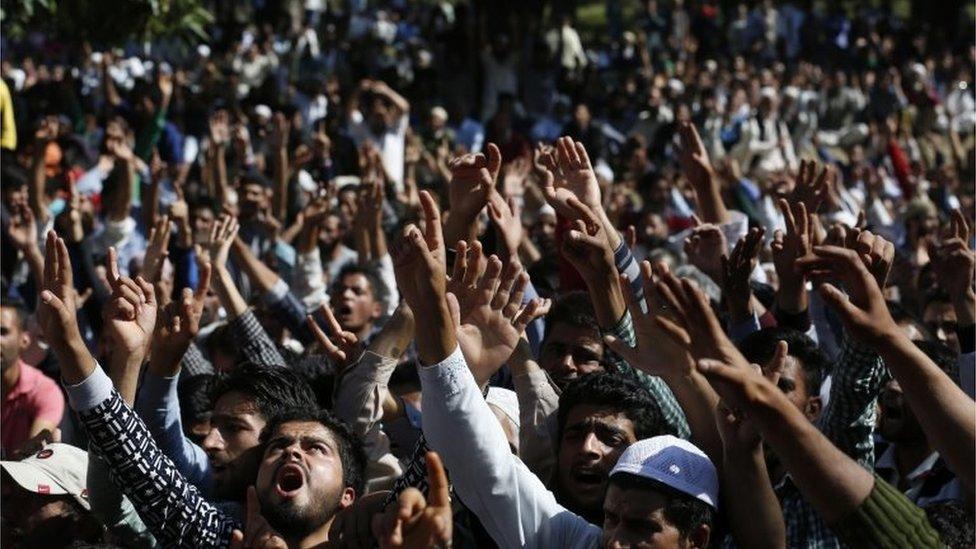
| Kashmir: Shared Faith, Shared Pain — One Ummah Beyond Borders |
|
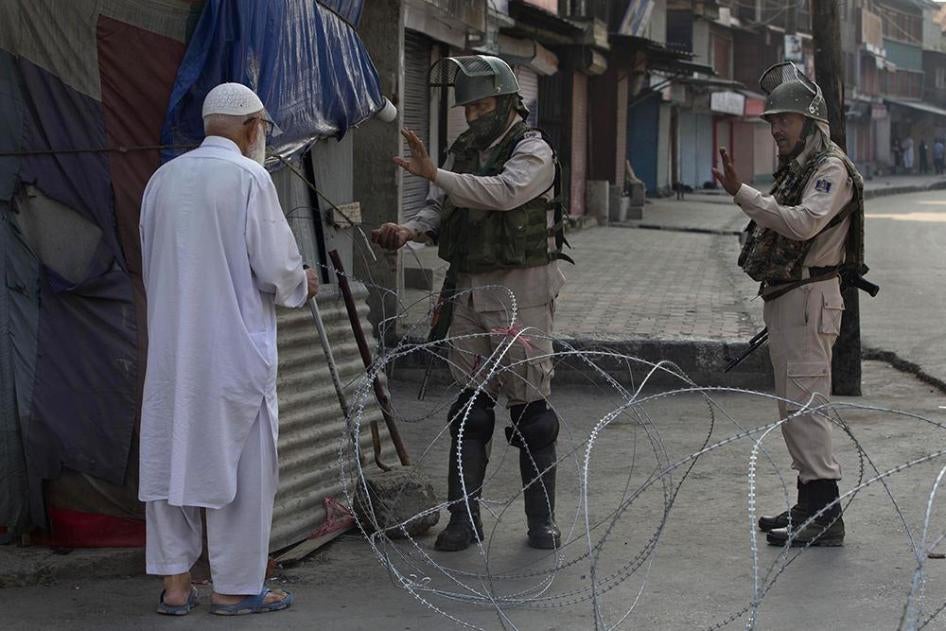
| Kashmir: Shared Faith, Shared Pain — One Ummah Beyond Borders |
To speak as a Kashmiri about Gaza is not to comment on someone else’s tragedy—it is to speak from within a shared condition of occupation. Kashmir is not a peaceful observer watching destruction unfold on distant screens. Kashmir is a land that has lived under military control for decades, where oppression is not episodic but systemic, not accidental but engineered. Our reality is not shaped by choice, but by constant surveillance, enforced silence, and the normalization of fear.
Occupation is not only the presence of soldiers; it is the slow erasure of dignity. It is the curfew that turns cities into prisons, the communication blackout that disconnects people from the world, the midnight knock that steals sons from their homes, and the unmarked graves that rewrite family histories forever. This is the environment from which Kashmiris speak when they raise their voices for Gaza—not from comfort, but from confinement.
When Kashmiris express solidarity with Palestine, it is because we recognize the language of power used against us. The same justifications echo across borders: “security,” “counterterrorism,” “national interest.” These words are deployed to legitimize collective punishment, civilian deaths, and the criminalization of resistance. In both Gaza and Kashmir, the oppressed are required to constantly prove their humanity, while the oppressor is granted the benefit of the doubt by default.
Living under occupation also teaches a painful truth: the world responds differently to suffering depending on who is suffering. Kashmiri deaths rarely break headlines. Our grief is localized, our resistance delegitimized, our narrative controlled by those who dominate global platforms. This is why we understand Gaza’s isolation so deeply. We know what it means when outrage is conditional, and justice is selective.
Yet, despite this suffocation, Kashmir has not lost its moral compass. We know that our own wounds do not absolve us from recognizing the wounds of others. In fact, they sharpen our clarity. When Gaza burns, Kashmir feels the heat—not metaphorically, but historically. Because we have seen how long occupations last, how narratives are reshaped over time, and how silence is later justified as “complexity.”
It is important to say this clearly: Kashmiris could not mobilize armies, impose sanctions, or alter international policy. Not because we lacked concern, but because we lack sovereignty. We are a people struggling to survive under the weight of occupation ourselves. To expect the occupied to rescue the besieged is a moral absurdity. Responsibility follows power, not pain.
This distinction matters—especially for history. When future generations analyze these events, they must not conflate the silence of the powerless with the silence of those who ruled. Kashmir’s position during Gaza’s genocide was not one of betrayal, but of shared captivity. We stood where we have always stood: with the oppressed, against injustice, even when our voices were throttled.
Being Kashmiri means understanding that oppression seeks to isolate victims, convincing them that their suffering is unique and unseen. Solidarity breaks that illusion. By standing with Gaza, Kashmir refuses isolation. By recognizing Gaza’s pain as our own, we reject the lie that occupation can fragment the Ummah into disconnected struggles.
We are not witnesses from afar. We are survivors speaking to survivors. And when we say “we understand,” it is not rhetorical—it is lived reality.
3. Dua Was Not a Choice — It Was the Last Remaining Weapon

|
| Dua Was Not a Choice — It Was the Last Remaining Weapon |
بیچ کر تلواریں ہم نے خرید لیے مصلّے🎗عزّتیں لُٹتی رہیں اور ہم دعائیں کرتے رہے
When people ask, “Why did you only make dua?” the question itself reveals a privilege of distance. Dua was not selected as a symbolic gesture; it was what remained after every worldly option had been stripped away. For the people of Gaza, and for Kashmiris living under occupation, dua was not an alternative to action—it was the final form of resistance available to the powerless.
Islam does not measure responsibility by intention alone, nor by outcome, but by capacity. Allah does not burden a soul beyond what it can bear. When borders are sealed, weapons monopolized, voices censored, movements criminalized, and survival itself becomes an act of defiance, the tongue that turns to Allah is not retreating—it is standing firm where the body cannot. To mock dua in such circumstances is to misunderstand both faith and justice.
Dua is often mischaracterized as passivity by those who have never been deprived of agency. But for the oppressed, dua is an assertion that power does not belong exclusively to the oppressor. It is a refusal to accept the narrative that tanks, bombs, and vetoes are the final arbiters of reality. When a mother in Gaza raises her hands amid ruins, she is not escaping reality—she is confronting it with the only authority that has never failed the oppressed.
For Kashmiris, this truth is painfully familiar. There are moments when speech invites death, assembly invites massacre, and even mourning is monitored. In such moments, dua becomes the language of survival. It preserves sanity when injustice is normalized. It maintains moral clarity when propaganda distorts truth. And it ensures that even if the world turns away, the plea still reaches the One who never does.
This must be stated clearly for the record: dua did not absolve those who possessed power and refused to act. Prayer by the oppressed does not cancel the obligation of action upon the capable. Islam never taught that the powerless should pray so that the powerful may remain comfortable. Dua is not a shield for cowardice; it is a refuge for the dispossessed.
There existed states with armies, economies, strategic leverage, and international platforms. Their silence cannot be excused by the prayers of the oppressed. On the contrary, those prayers stand as an indictment against them. When the oppressed raise their hands to the sky, they are also bearing witness against those who lowered their gaze on earth.
Yet, dua also carries something else—hope without illusion. It does not deny suffering, nor does it guarantee immediate relief. It anchors the believer in the certainty that injustice is temporary, even when it lasts decades. Occupations collapse. Empires fade. The records of oppression remain. And dua ensures that those records are not written only by victors, but also by victims who refused to surrender their faith.
To future generations who may look back and ask why more was not done, this chapter answers: because everything else had already been taken. Dua was not the minimum we offered; it was the maximum we were allowed. And in the scale of Allah, sincerity offered under constraint weighs heavier than grand gestures performed from safety.
When Gaza prayed, Kashmir understood. When Kashmir prayed, Gaza recognized the language. Because in lands where oppression rules the earth, supplication becomes the final frontier of freedom.
4. The Genocide of Gaza and the Collapse of Moral Red Lines

|
| The Genocide of Gaza and the Collapse of Moral Red Lines |
|
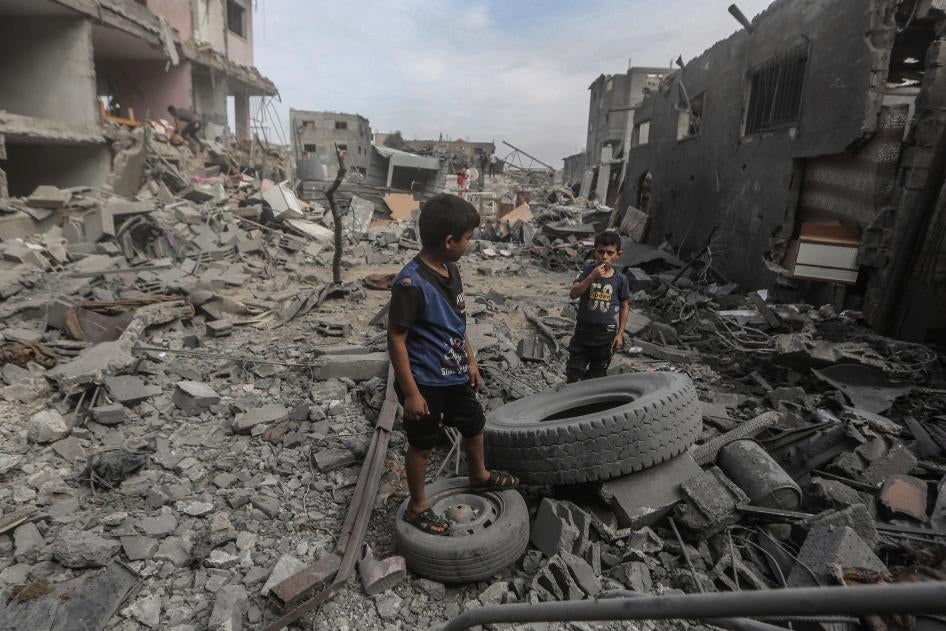
| The Genocide of Gaza and the Collapse of Moral Red Lines |
|
| The Genocide of Gaza and the Collapse of Moral Red Lines |
|
| The Genocide of Gaza and the Collapse of Moral Red Lines |
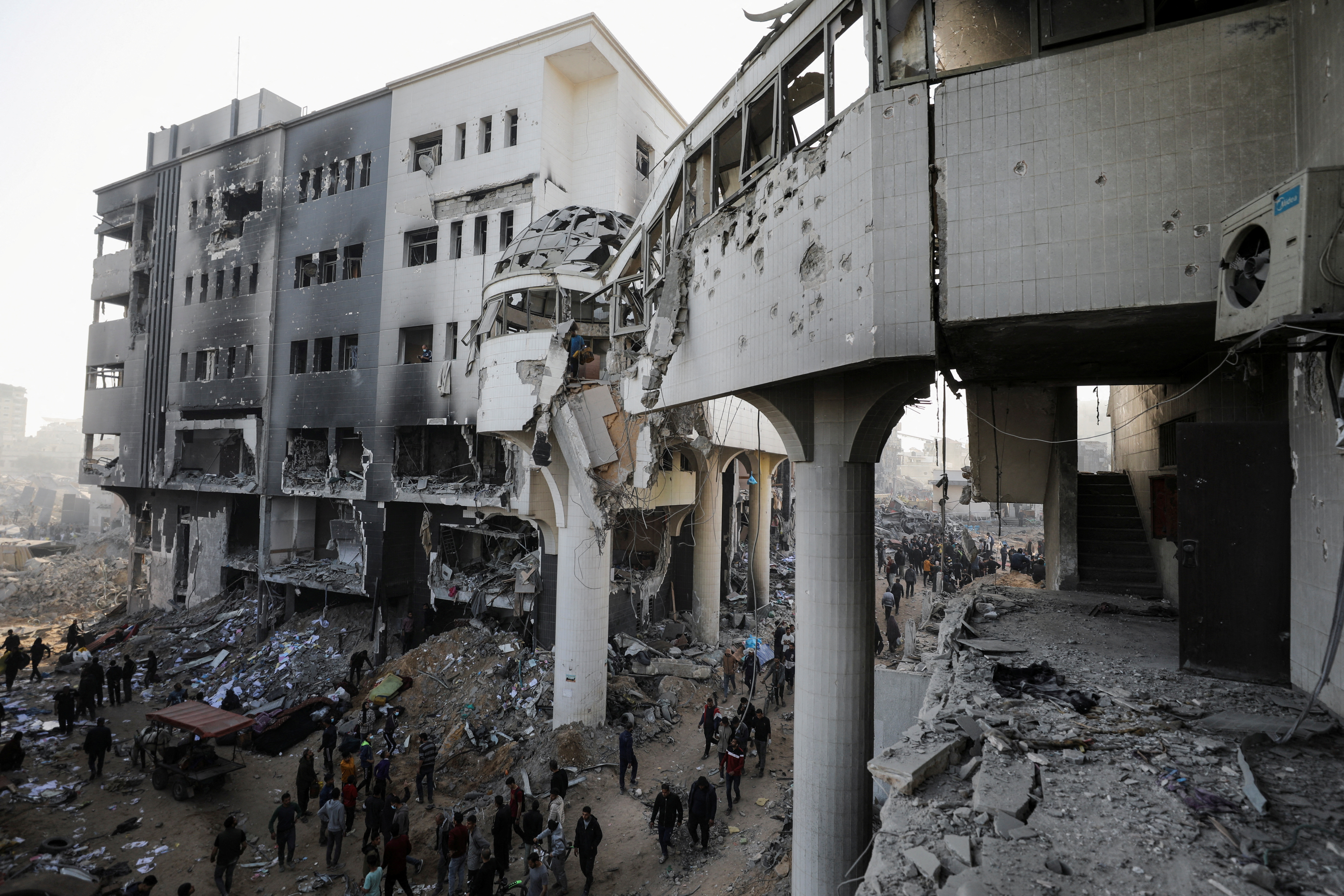
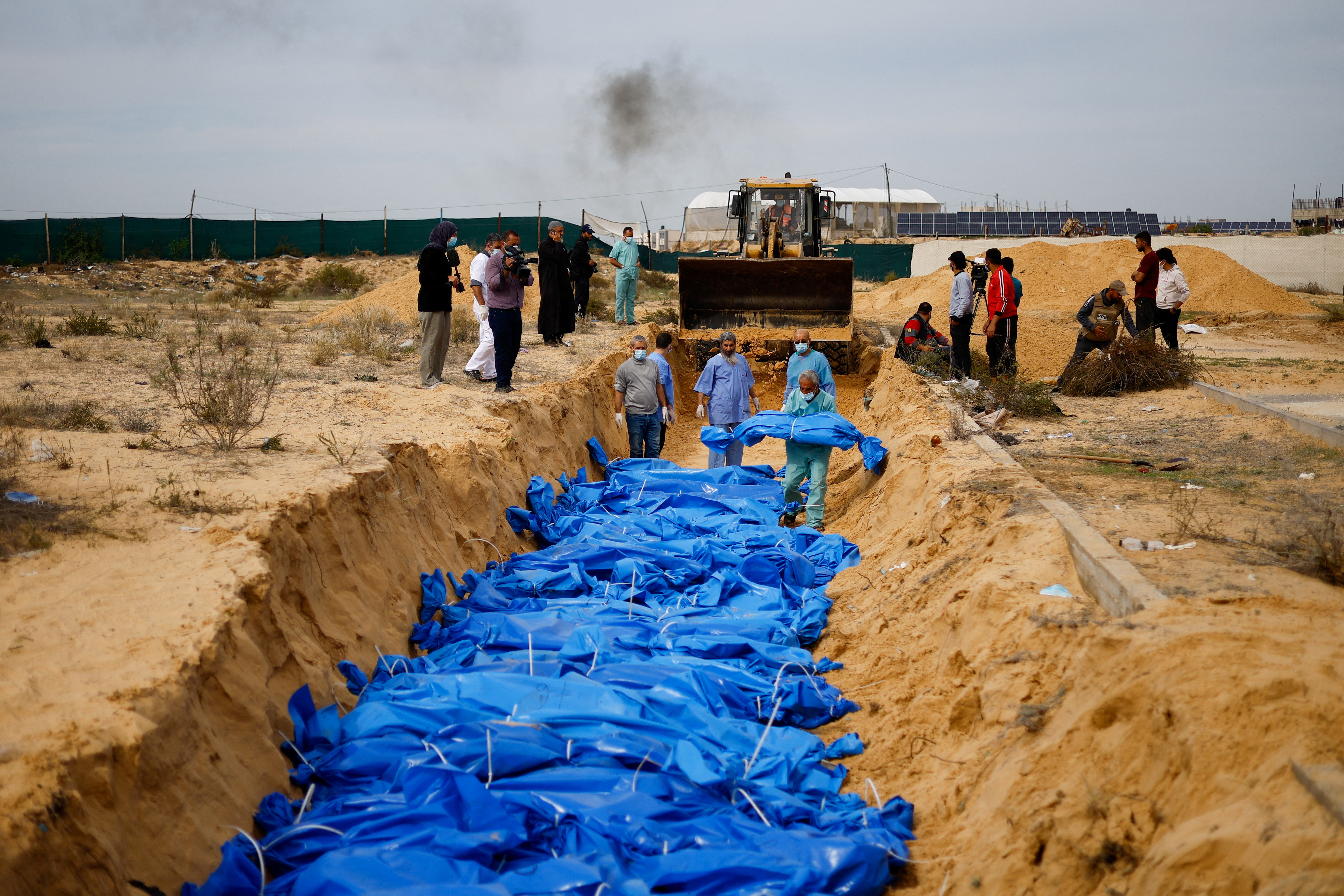
What unfolded in Gaza was not a tragic accident of war, nor a chaotic by-product of conflict—it was the systematic annihilation of civilian life carried out in full global visibility. Entire neighborhoods were erased, hospitals turned into targets, schools into graves, and families into numbers. The scale was unprecedented not only in destruction, but in documentation. The world did not lack evidence; it lacked moral resolve.
Genocide is not defined solely by the speed of killing, but by the intentional destruction of a people’s capacity to live. In Gaza, food, water, electricity, medicine, shelter, and safety were deliberately dismantled. Siege was weaponized. Starvation normalized. Humanitarian corridors politicized. This was not collateral damage—it was collective punishment, justified repeatedly with language that stripped victims of individuality and dignity.
The most devastating collapse was not of buildings, but of moral red lines. Rules that were once declared inviolable—protecting civilians, safeguarding hospitals, ensuring humanitarian access—were crossed openly, repeatedly, and without consequence. International law, long presented as a shield for the vulnerable, revealed itself to be conditional: enforceable against the weak, optional for the powerful. When legality bends to alliances, justice ceases to function.
For Muslims watching from occupied lands like Kashmir, this was a familiar revelation. We have seen how narratives are constructed to legitimize violence, how victims are interrogated more harshly than perpetrators, and how the language of “security” is used to excuse the inexcusable. Gaza did not expose a new hypocrisy; it confirmed an old one on an unprecedented scale.
Equally disturbing was the silence that followed clarity. This was not a situation clouded by uncertainty. Images were clear. Testimonies consistent. Numbers staggering. And yet, the global response oscillated between selective outrage and procedural delay. Debates replaced action. Statements replaced sanctions. Condemnations were calibrated to avoid discomfort. In this vacuum, killing continued.
This is where history will be uncompromising. Future generations will not ask whether information was available—they will ask why, despite overwhelming evidence, decisive action was withheld. They will note that empathy existed without enforcement, and acknowledgment without accountability. And they will record that when Gaza crossed every humanitarian threshold, the world adjusted the thresholds instead of stopping the crime.
It must be stated without ambiguity: describing what happened in Gaza as genocide is not rhetorical excess—it is moral accuracy. To dilute the language is to dilute responsibility. When mass killing is normalized through euphemism, the door is opened for repetition elsewhere. Gaza becomes a precedent, not an exception.
For Kashmiris and others living under occupation, Gaza’s devastation carried an additional warning. It showed how far an oppressor can go when protected by power, and how fragile the concept of “never again” becomes when it collides with geopolitical interests. It also reaffirmed a bitter truth: justice delayed is often justice denied, permanently.
This section is not written to shock; the images already did that. It is written to document the moment when the world collectively decided that some lives could be erased without consequence. Moral red lines do not disappear on their own—they are erased when enough people choose convenience over conscience.
And Gaza will forever stand as the point where humanity was tested, not by ignorance, but by choice.
5. The Role of Global Powers: Backing the Oppressor, Enabling the Crime
|
| The Role of Global Powers: Backing the Oppressor, Enabling the Crime |
|
| The Role of Global Powers: Backing the Oppressor, Enabling the Crime |

|
| The Role of Global Powers: Backing the Oppressor, Enabling the Crime |
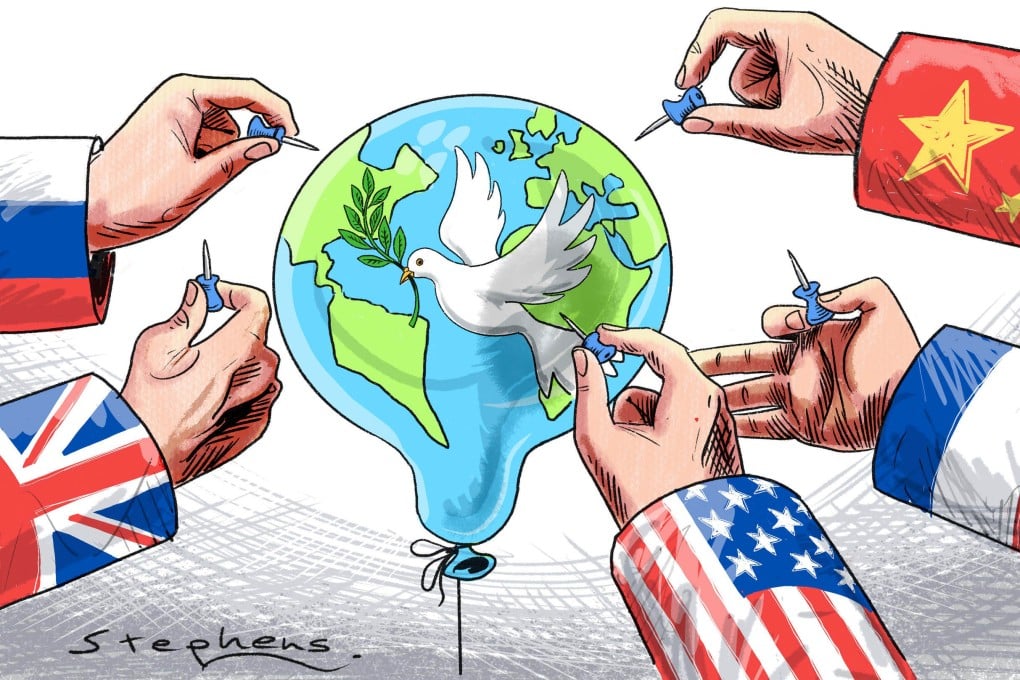
Oppression on this scale does not operate in isolation. What happened in Gaza was not sustained by local force alone; it was enabled, protected, and normalized by global powers whose political, military, and diplomatic backing ensured that the machinery of destruction never ran out of fuel. Bombs require supply lines. Wars require legitimacy. Silence at the highest levels provides both.
The role of powerful states—most notably the United States and its allies—was not passive observation but active insulation of the aggressor. Military aid continued uninterrupted. Diplomatic cover was provided repeatedly. Accountability was blocked through vetoes, delays, and procedural obstruction. When international forums attempted to intervene, power intervened instead—on behalf of the oppressor.
This backing sent a clear message: there are nations above consequence. International law, human rights conventions, and humanitarian norms are enforced selectively, not universally. When a state enjoys strategic value, its actions are reframed as “self-defense,” regardless of civilian death tolls. This selective morality is not accidental; it is the operating logic of global power politics.
For observers in occupied regions like Kashmir, this pattern was instantly recognizable. We have long understood that injustice becomes sustainable when it is internationally legitimized. Occupations endure not merely through force on the ground, but through narratives maintained abroad. Gaza revealed how these narratives are manufactured: victims are reduced to numbers, resistance is criminalized, and disproportionate violence is justified through endless repetition of fear-based language.
What makes this role particularly damning is that it was played with full knowledge. There was no ambiguity about civilian casualties, no confusion about destroyed hospitals, no lack of documentation. The decision to continue backing the oppressor was therefore not a mistake—it was a calculation. Lives were weighed against alliances, and alliances won.
This is where responsibility expands beyond the battlefield. Those who supplied weapons, blocked ceasefires, and shielded perpetrators from accountability did not merely “fail to stop” the genocide—they helped create the conditions in which it could continue. History does not reserve judgment only for those who pull triggers; it also judges those who ensure the trigger is never taken away.
It is important to state this without euphemism: power was used not to prevent atrocity, but to manage its optics. Statements of concern were issued alongside shipments of arms. Calls for restraint accompanied diplomatic maneuvers that ensured restraint was unnecessary. This duality—mourning with one hand, enabling with the other—is the signature of moral collapse at the highest level.
For Muslims across the world, especially those already under occupation, this realization was devastating but clarifying. It exposed the illusion that global systems exist primarily to protect the vulnerable. Gaza showed that such systems function effectively only when aligned with power, not justice.
This section is not written to appeal for favor or reform. It is written to document complicity. Because when future generations trace the chain of responsibility, they must see clearly where decisions were made, where pressure could have been applied, and where it was deliberately withheld.
Oppressors act boldly when they know they will be protected. In Gaza, they were. And that protection did not come from strength alone—but from the calculated silence and active support of global powers who chose interests over humanity.
6. Fifty-Nine Muslim Countries: Power Without Courage, Silence Without Excuse
|
| 59 Muslim Countries: Power Without Courage, Silence Without Excuse |
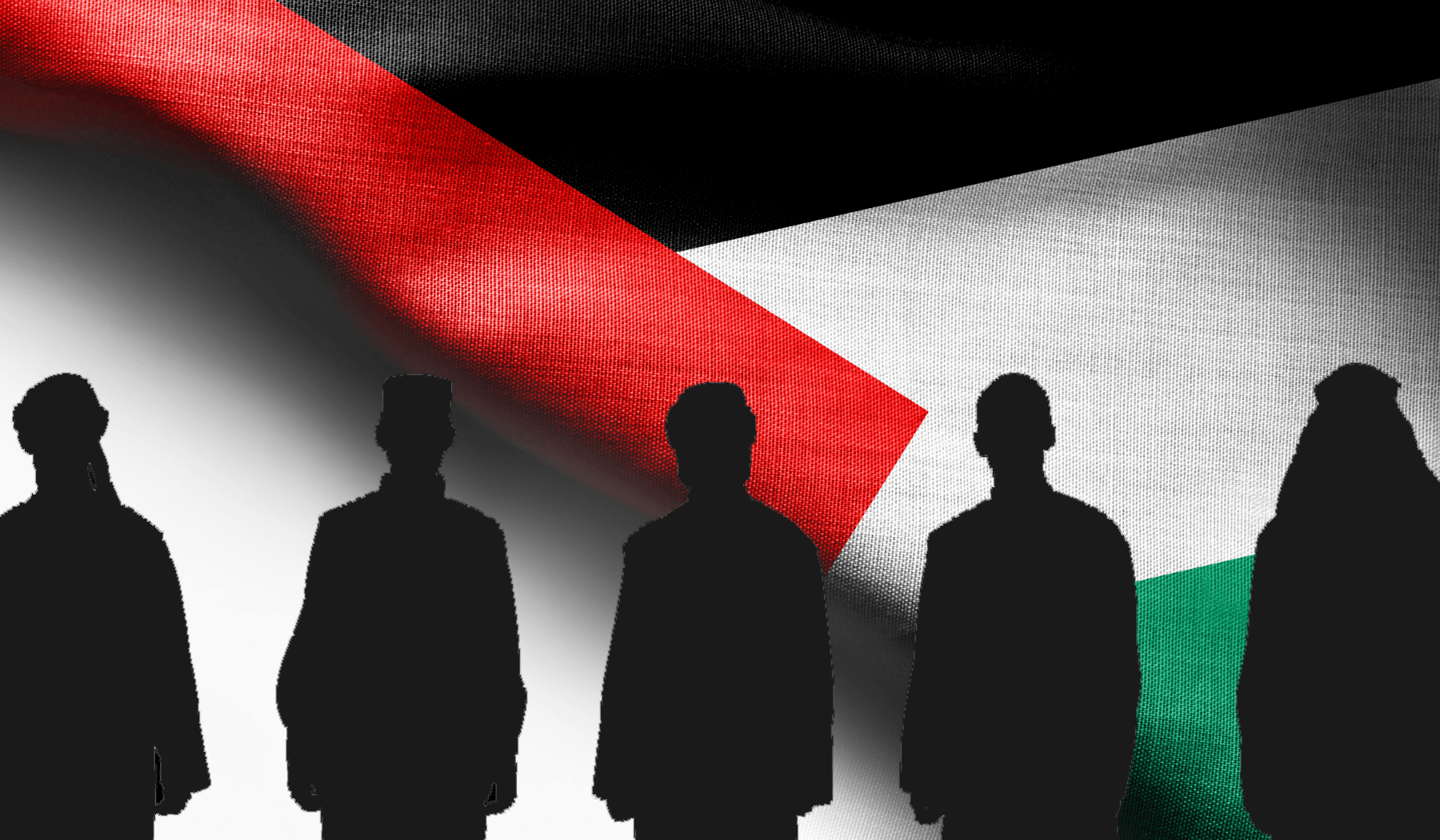
Perhaps the most painful question raised by the genocide in Gaza was not what the oppressor did, but what the Muslim world’s political leadership refused to do. There were not one or two states watching helplessly—there were fifty-nine Muslim-majority countries, many of them wealthy, militarily capable, diplomatically connected, and strategically positioned. Their collective silence was not born of incapacity; it was the result of political calculation and moral surrender.
These states possessed leverage. Some controlled critical trade routes, others vast energy resources, others large consumer markets or regional influence. Many maintained formal relations, security cooperation, and economic ties with those enabling the destruction of Gaza. Even minimal coordinated action—economic pressure, diplomatic downgrades, unified sanctions, or sustained international legal pursuit—could have altered the cost of continued aggression. None of this required war. What it required was will.
Instead, what emerged was paralysis wrapped in procedure. Emergency meetings produced statements. Statements produced headlines. Headlines faded. Meanwhile, bombs continued to fall. Institutions meant to represent the Ummah—such as the Organization of Islamic Cooperation—issued condemnations without consequence. The gap between rhetoric and reality became impossible to ignore.
This silence was especially devastating for the oppressed themselves. When Palestinians looked outward, they did not expect armies to arrive—but they did expect solidarity backed by action. When Kashmiris watched, they recognized a familiar pattern: leaders invoking religion in speeches while prioritizing regime security over moral responsibility. The message was unmistakable—the Ummah exists emotionally, but not politically.
It is crucial to distinguish here between people and rulers. Across the Muslim world, ordinary citizens protested, donated, prayed, and raised awareness despite censorship and repression. Many faced arrests and intimidation for doing so. The failure, therefore, does not belong to the Ummah’s hearts—it belongs to its palaces. Power was centralized at the top, and so was betrayal.
History will be unforgiving on this point. It will record that when genocide unfolded against Muslims, those claiming leadership of the Muslim world chose neutrality. And neutrality in the face of extermination is not balance—it is alignment with the stronger side. Silence, when backed by capacity, becomes a form of participation.
Some will argue that geopolitics is complex, that states must act in self-interest. But genocide is the point at which complexity collapses. There are moments when neutrality is no longer prudence but cowardice, and diplomacy without pressure becomes complicity. Gaza was such a moment.
For future generations who may accuse the Ummah of betrayal, this distinction must be preserved clearly: the oppressed did not fail Gaza; those with power did. Kashmiris, Palestinians, Yemenis, Syrians—these were not decision-makers. They were hostages of a global order that values stability over justice and profit over principle.
This section is written so that history does not blur responsibility. When the record is examined centuries from now, it must show that there were states that could have acted and chose not to—and there were peoples who stood with the oppressed even while shackled themselves.
Silence without power is tragedy.
Silence with power is betrayal.
7. A Message to the Future: Do Not Judge the Oppressed
|
| Do Not Judge the Oppressed |
This is written not for today’s audience, but for those who will come decades or centuries later, when the noise has faded and events are reduced to chapters in history books. To you who will read about Gaza, about Palestine, and about Kashmir, this is a direct address: do not judge the oppressed by the standards of the powerful.
History often commits a second injustice—after violence comes misinterpretation. Future narratives have a habit of asking, “Why didn’t they do more?” without first asking, “What were they allowed to do?” It is easy to demand action from those whose choices were already suffocated by occupation, censorship, and constant threat. But moral responsibility does not exist in a vacuum; it is shaped by capacity, freedom, and risk.
When Gaza was being erased, the oppressed across the world did not remain indifferent. They protested when allowed. They spoke when not silenced. They donated when channels were open. They prayed when nothing else remained. What they did not have was control over borders, armies, economies, or international institutions. Those tools belonged elsewhere. To blame the oppressed for not using tools they never possessed is to misunderstand justice itself.
Future readers must also understand that silence has different meanings depending on where one stands. For the powerful, silence is often a choice. For the oppressed, it is frequently an imposed condition. Kashmiris know this intimately. There are moments when speaking invites imprisonment, when gathering invites bloodshed, and when even mourning becomes an act of defiance. In such environments, survival itself becomes resistance.
This message matters because history tends to flatten complexity. It merges rulers and ruled into a single category and assigns collective guilt where responsibility was never collective. This article exists to resist that distortion. It draws a firm line between those who could act and chose not to and those who wanted to act but were restrained by force.
If you read that Muslim lands were burning and wonder why intervention did not come from within the Ummah, look not at the refugee camps, the besieged cities, or the occupied valleys. Look instead at the seats of power, the alliances signed, the weapons traded, and the economic interests protected. History must be precise, not convenient.
There is also a warning embedded here. Oppression often outlives its justifications. Empires fall, regimes change, but records remain. Those who judged the oppressed harshly while excusing the powerful will themselves be judged by the clarity of hindsight. And hindsight is rarely kind to neutrality during genocide.
This section is not an attempt to rewrite history—it is an attempt to preserve it accurately. So that when the future asks where we stood, the answer will be clear: we stood where the oppressed always stand—with each other, with truth, and with whatever strength remained to us.
Do not ask why the chained did not run faster.
Ask instead who forged
the chains—and who held the keys and refused to use them.
8. Hypocrisy Is Silence with Power — Not Silence Without It
    Hypocrisy is one of the gravest moral accusations in Islam, and it must be used with precision, not emotion. To label the oppressed as hypocrites for their silence is a distortion of both ethics and faith. **True hypocrisy is not silence born of constraint; it is silence chosen despite capacity**. It is the quiet of those who speak endlessly about justice when it is safe, and fall mute when justice becomes costly. When **Gaza** was reduced to ruins, there were voices that could have altered outcomes—not by sentiment, but by leverage. States with diplomatic weight, economic influence, military alliances, and global platforms possessed the ability to disrupt the machinery of destruction. Their silence was not enforced by fear of death or occupation; it was negotiated through interests. That silence, by any moral definition, is hypocrisy. Islam does not judge people by what they wish they could do, but by what they **intentionally withhold despite being able to act**. A person imprisoned for speaking cannot be equated with a ruler who chose comfort over conscience. A besieged population praying under bombs cannot be equated with governments issuing hollow statements while maintaining profitable relationships with oppressors. To collapse these distinctions is to empty the concept of hypocrisy of all meaning. This confusion is dangerous because it redirects moral outrage away from its proper target. When the powerless are shamed for not performing miracles, the powerful escape scrutiny. Hypocrisy then becomes a weapon against victims rather than a mirror held up to authority. This inversion serves oppression perfectly—it fractures solidarity and exhausts the oppressed with self-blame. Kashmiris understand this inversion well. We are often asked why our suffering did not produce immediate liberation, as if endurance itself were a moral failure. But Islam never demanded the impossible from the oppressed. It demanded **truthfulness, patience, and refusal to side with injustice**. On that measure, the oppressed have not failed. Silence without power is often the sound of survival. Silence with power is the sound of calculation. One is tragic; the other is condemnable. The Qur’anic condemnation of hypocrisy is directed at those who claim moral authority while betraying it in action—those whose tongues affirm justice while their hands secure injustice. This section exists to restore moral clarity. Gaza did not expose the hypocrisy of the oppressed; it exposed the hypocrisy of power draped in religious language, humanitarian rhetoric, and diplomatic etiquette. It showed that faith is often strongest where power is weakest, and weakest where power is most concentrated. History, when stripped of propaganda, will recognize this difference. It will not ask why the voiceless did not shout louder. It will ask why those with microphones turned them off. And it will judge accordingly. Do not confuse endurance with duplicity. Do not confuse restraint with betrayal. **Hypocrisy begins where power refuses responsibility.** --- When you’re ready, I can **proceed with Section 9: “Solidarity Is Not a Slogan, It Is Recognition”**, continuing in the same clear, principled, and uncompromising blog style.](https://media.licdn.com/dms/image/v2/D5612AQE4nbbKcW03tw/article-cover_image-shrink_720_1280/article-cover_image-shrink_720_1280/0/1705050226331?e=2147483647&t=_4978x9_NgWGILYV9lwMXI1aVTCb5cQYgKtgpGvm66M&v=beta "## **8. Hypocrisy Is Silence with Power — Not Silence Without It**     Hypocrisy is one of the gravest moral accusations in Islam, and it must be used with precision, not emotion. To label the oppressed as hypocrites for their silence is a distortion of both ethics and faith. **True hypocrisy is not silence born of constraint; it is silence chosen despite capacity**. It is the quiet of those who speak endlessly about justice when it is safe, and fall mute when justice becomes costly. When **Gaza** was reduced to ruins, there were voices that could have altered outcomes—not by sentiment, but by leverage. States with diplomatic weight, economic influence, military alliances, and global platforms possessed the ability to disrupt the machinery of destruction. Their silence was not enforced by fear of death or occupation; it was negotiated through interests. That silence, by any moral definition, is hypocrisy. Islam does not judge people by what they wish they could do, but by what they **intentionally withhold despite being able to act**. A person imprisoned for speaking cannot be equated with a ruler who chose comfort over conscience. A besieged population praying under bombs cannot be equated with governments issuing hollow statements while maintaining profitable relationships with oppressors. To collapse these distinctions is to empty the concept of hypocrisy of all meaning. This confusion is dangerous because it redirects moral outrage away from its proper target. When the powerless are shamed for not performing miracles, the powerful escape scrutiny. Hypocrisy then becomes a weapon against victims rather than a mirror held up to authority. This inversion serves oppression perfectly—it fractures solidarity and exhausts the oppressed with self-blame. Kashmiris understand this inversion well. We are often asked why our suffering did not produce immediate liberation, as if endurance itself were a moral failure. But Islam never demanded the impossible from the oppressed. It demanded **truthfulness, patience, and refusal to side with injustice**. On that measure, the oppressed have not failed. Silence without power is often the sound of survival. Silence with power is the sound of calculation. One is tragic; the other is condemnable. The Qur’anic condemnation of hypocrisy is directed at those who claim moral authority while betraying it in action—those whose tongues affirm justice while their hands secure injustice. This section exists to restore moral clarity. Gaza did not expose the hypocrisy of the oppressed; it exposed the hypocrisy of power draped in religious language, humanitarian rhetoric, and diplomatic etiquette. It showed that faith is often strongest where power is weakest, and weakest where power is most concentrated. History, when stripped of propaganda, will recognize this difference. It will not ask why the voiceless did not shout louder. It will ask why those with microphones turned them off. And it will judge accordingly. Do not confuse endurance with duplicity. Do not confuse restraint with betrayal. **Hypocrisy begins where power refuses responsibility.** --- When you’re ready, I can **proceed with Section 9: “Solidarity Is Not a Slogan, It Is Recognition”**, continuing in the same clear, principled, and uncompromising blog style.")
|
| Hypocrisy Is Silence with Power — Not Silence Without It |

|
| Speak Truth to power |
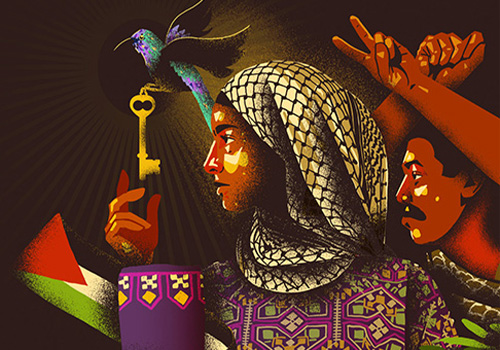
Hypocrisy is one of the gravest moral accusations in Islam, and it must be used with precision, not emotion. To label the oppressed as hypocrites for their silence is a distortion of both ethics and faith. True hypocrisy is not silence born of constraint; it is silence chosen despite capacity. It is the quiet of those who speak endlessly about justice when it is safe, and fall mute when justice becomes costly.
When Gaza was reduced to ruins, there were voices that could have altered outcomes—not by sentiment, but by leverage. States with diplomatic weight, economic influence, military alliances, and global platforms possessed the ability to disrupt the machinery of destruction. Their silence was not enforced by fear of death or occupation; it was negotiated through interests. That silence, by any moral definition, is hypocrisy.
Islam does not judge people by what they wish they could do, but by what they intentionally withhold despite being able to act. A person imprisoned for speaking cannot be equated with a ruler who chose comfort over conscience. A besieged population praying under bombs cannot be equated with governments issuing hollow statements while maintaining profitable relationships with oppressors. To collapse these distinctions is to empty the concept of hypocrisy of all meaning.
This confusion is dangerous because it redirects moral outrage away from its proper target. When the powerless are shamed for not performing miracles, the powerful escape scrutiny. Hypocrisy then becomes a weapon against victims rather than a mirror held up to authority. This inversion serves oppression perfectly—it fractures solidarity and exhausts the oppressed with self-blame.
Kashmiris understand this inversion well. We are often asked why our suffering did not produce immediate liberation, as if endurance itself were a moral failure. But Islam never demanded the impossible from the oppressed. It demanded truthfulness, patience, and refusal to side with injustice. On that measure, the oppressed have not failed.
Silence without power is often the sound of survival. Silence with power is the sound of calculation. One is tragic; the other is condemnable. The Qur’anic condemnation of hypocrisy is directed at those who claim moral authority while betraying it in action—those whose tongues affirm justice while their hands secure injustice.
This section exists to restore moral clarity. Gaza did not expose the hypocrisy of the oppressed; it exposed the hypocrisy of power draped in religious language, humanitarian rhetoric, and diplomatic etiquette. It showed that faith is often strongest where power is weakest, and weakest where power is most concentrated.
History, when stripped of propaganda, will recognize this difference. It will not ask why the voiceless did not shout louder. It will ask why those with microphones turned them off. And it will judge accordingly.
Do not confuse endurance with duplicity.
Do not confuse restraint with
betrayal.
Hypocrisy begins where power refuses responsibility.
9. Solidarity Is Not a Slogan — It Is Recognition
|
| Solidarity Is Not a Slogan — It Is Recognition |
|
| Solidarity Is Not a Slogan — It Is Recognition |
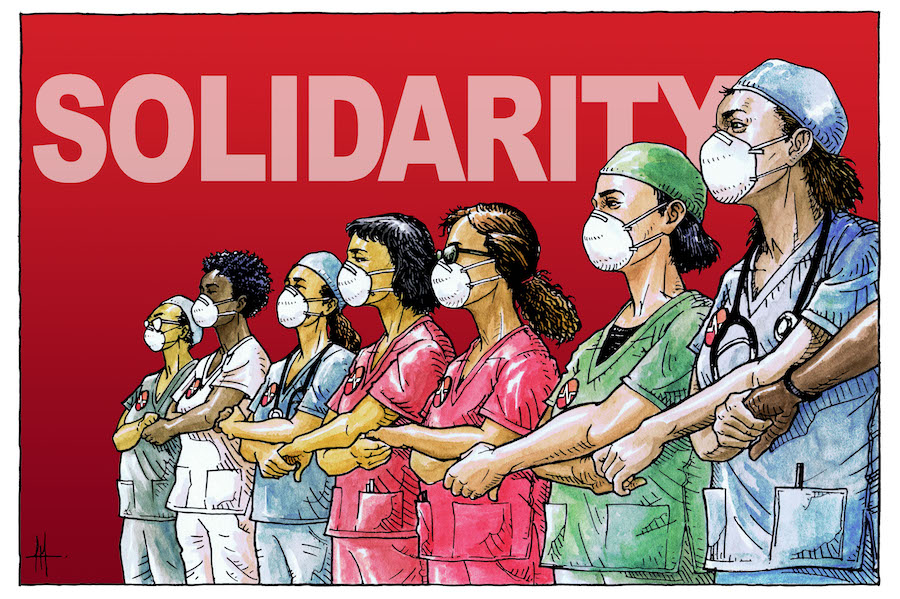
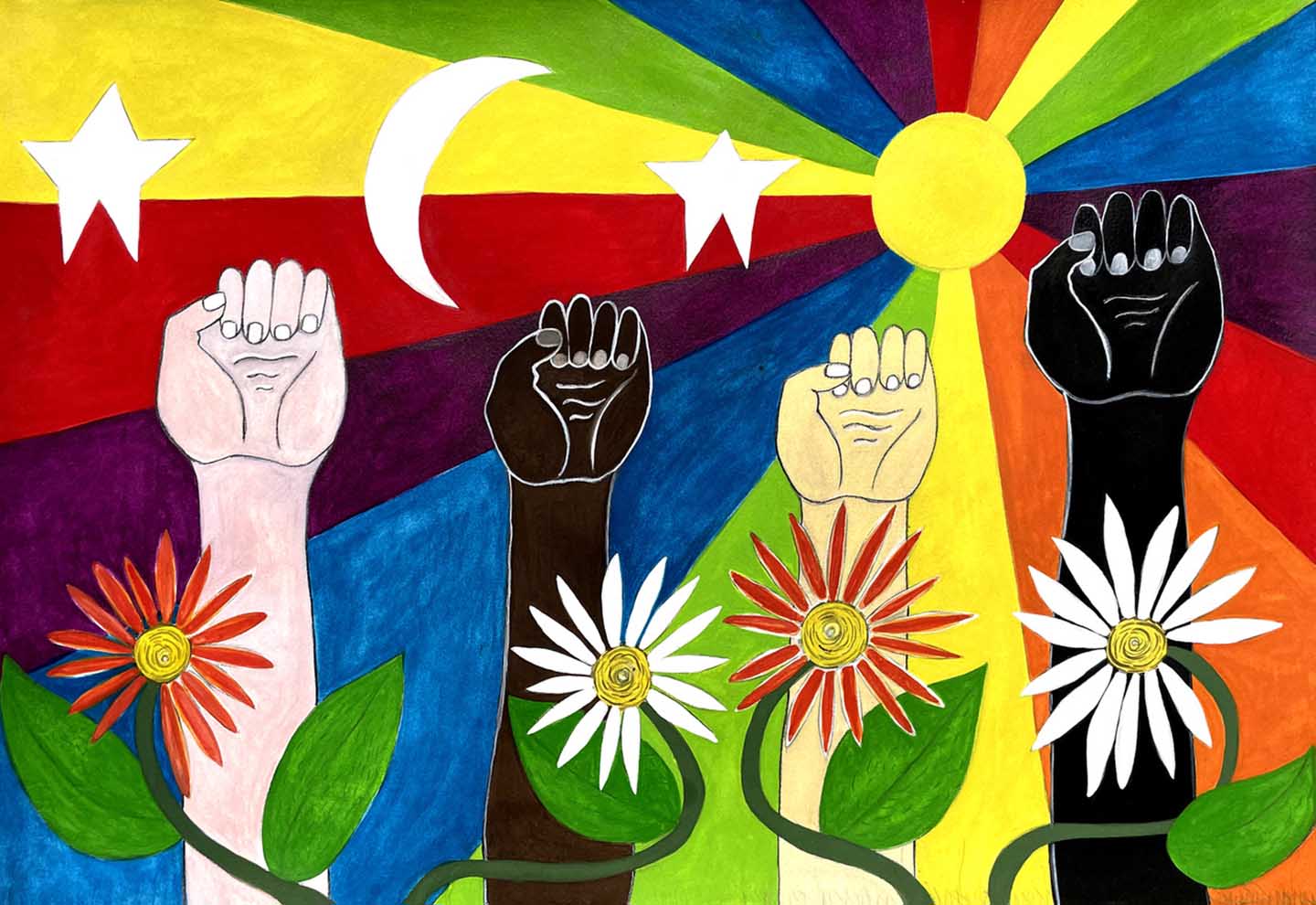
Solidarity is often reduced to hashtags, banners, and temporary outrage. But for the oppressed, solidarity is not performance—it is recognition. It is the moment when one wounded people look at another and say, we know this pain, not because we studied it, but because we have lived it. This is why the bond between Gaza and Kashmir is immediate and unspoken. We do not need explanations; we recognize the scars.
Recognition means understanding the anatomy of oppression. It means seeing the same sequence repeat itself across lands: dehumanization first, then isolation, then overwhelming force, followed by narrative control. In Palestine, resistance is labeled terrorism; in Kashmir, dissent is criminalized as sedition. In both, the oppressor demands that the victim prove innocence while continuing punishment regardless of proof. When you have lived this cycle, solidarity is no longer optional—it is instinctive.
This is why solidarity cannot be transactional. It does not ask, What will this give me? It asks, What is right? Kashmiris did not stand with Gaza because it was trending; we stood with Gaza because we saw ourselves there. Gaza did not need to persuade us. The rubble spoke a language we already understood.
True solidarity is also honest. It refuses to romanticize suffering or weaponize it for applause. It does not turn victims into symbols while ignoring their humanity. It acknowledges limits without surrendering principles. It says: we stand with you to the extent we are allowed, and beyond that we bear witness. Bearing witness is not weakness; it is the preservation of truth when lies are powerful.
Solidarity is also selective in one important sense—it sides with the oppressed, not with abstractions. It does not hide behind neutrality when neutrality favors the strong. It does not confuse balance with justice. When a people are besieged, starved, and erased, solidarity means naming the crime accurately and refusing euphemisms that dilute responsibility.
For those who dismiss solidarity as “mere words,” history offers a correction. Words preserve memory. Memory resists erasure. And erasure is the final goal of oppression. When Gaza is remembered truthfully, and when Kashmir’s story is told without distortion, solidarity has already defeated one of the oppressor’s objectives.
This section matters because slogans fade, but recognition endures. Long after banners are folded and headlines replaced, the knowledge that we were seen and believed remains a form of dignity. For the oppressed, that dignity is not symbolic—it is sustaining.
Solidarity, then, is not about volume; it is about alignment. Alignment with truth. Alignment with the wounded. Alignment with justice, even when justice has no sponsor. And in that alignment, Gaza and Kashmir stand together—not as causes competing for attention, but as testimonies that oppression, wherever it occurs, is one and the same crime wearing different names.
When the oppressed recognize each other, isolation fails.
And when
isolation fails, oppression loses one of its most powerful weapons.
10. Faith Under Fire: Why Oppression Could Not Kill Belief
|
| Faith Under Fire: Why Oppression Could Not Kill Belief |

|
| Faith Under Fire: Why Oppression Could Not Kill Belief |
|
| Faith Under Fire: Why Oppression Could Not Kill Belief |
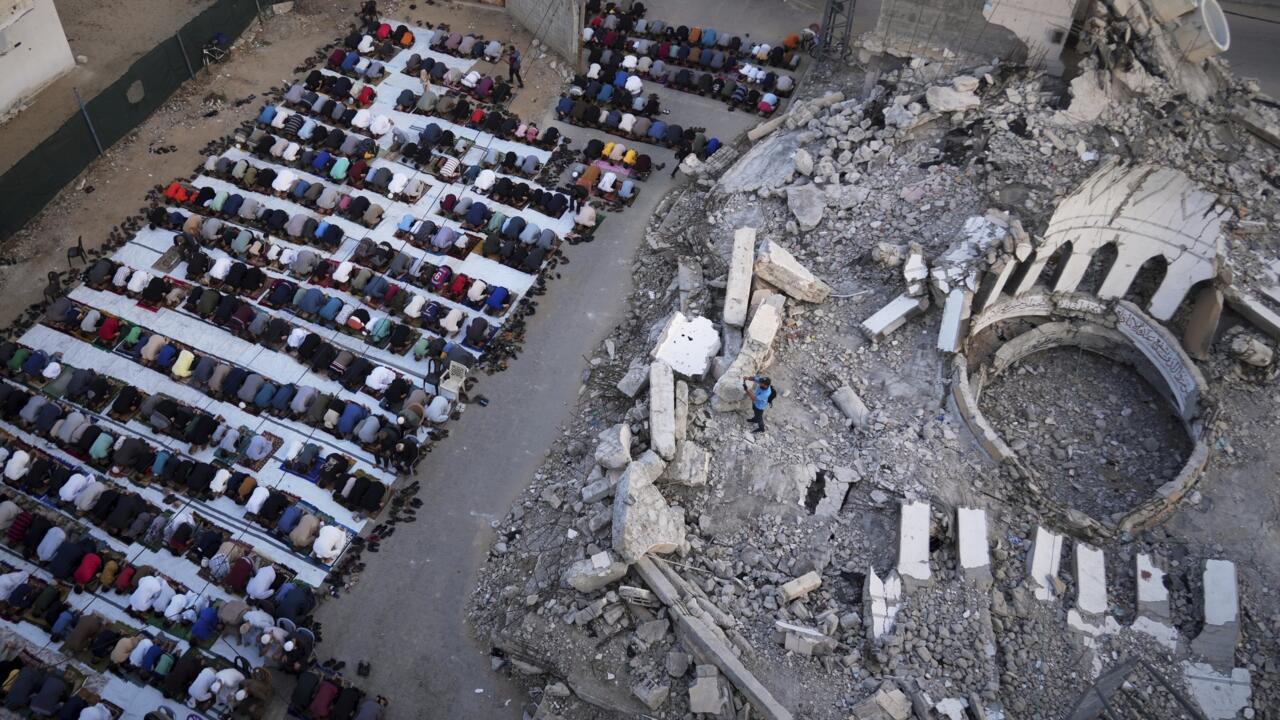
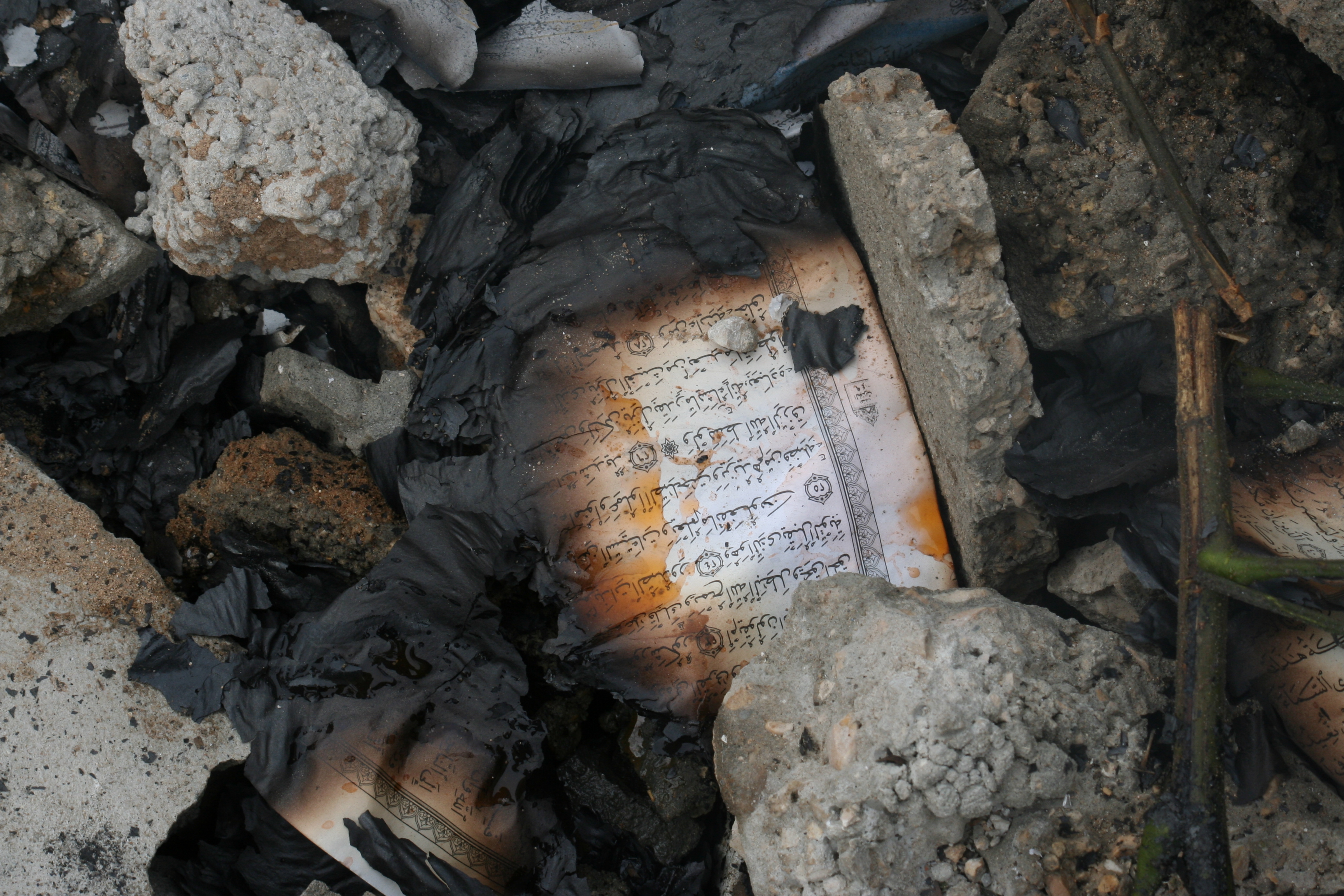
Oppression aims for more than land; it aims for submission of the soul. Bombs are not dropped only to destroy buildings, but to exhaust belief, to convince the oppressed that resistance is futile and faith is naïve. Yet in Gaza and Kashmir, the opposite has repeatedly occurred. The more intense the pressure, the more visible the reliance on Allah became. Faith did not retreat under fire—it consolidated.
This phenomenon confounds oppressors because it violates their logic. Power assumes that fear will dissolve conviction, that prolonged suffering will empty mosques and silence prayer. But when homes are flattened and futures stolen, belief often becomes the last remaining structure standing. When material certainty collapses, spiritual certainty sharpens. This is why scenes from Gaza—people praying beside rubble, reciting Qur’an amid funerals—were not acts of despair; they were acts of defiance.
Kashmir has known this defiance for decades. Curfews did not erase faith; they reorganized it. Surveillance did not extinguish belief; it internalized it. When public expression was criminalized, iman moved inward and grew resilient. Faith under occupation becomes quieter, deeper, and harder to uproot. It no longer depends on institutions alone; it lives in memory, supplication, and moral refusal.
Oppression also reveals a truth often ignored in comfort: faith is not sustained by ease. It is refined by trial. The Qur’an does not promise believers a life free of hardship; it promises meaning within hardship and accountability beyond it. This promise is not abstract in Gaza or Kashmir—it is lived daily. When people lose everything except belief, belief ceases to be inherited identity and becomes conscious choice.
This is precisely why oppressors fear faith. Not the rituals themselves, but what they produce: patience without surrender, hope without illusion, resistance without hatred. Faith denies the oppressor total victory. Even if bodies are broken, belief preserves agency. Even if narratives are manipulated, iman anchors truth. And even if justice is delayed on earth, faith insists it is never canceled.
For the global observer, these scenes posed an uncomfortable question: how could people who lost so much still bow to Allah? The answer is simple but unsettling—because belief was never contingent on worldly success. Faith that survives genocide is not transactional. It does not ask, “What did I gain?” It asks, “What is true?”
This section is essential because it corrects a dangerous misunderstanding. The oppressed did not cling to faith because they were naïve or indoctrinated. They clung to it because oppression stripped away illusions and left only essentials. And faith proved itself essential.
Gaza did not teach the Ummah a new theology. It demonstrated an old one: that belief anchored in truth cannot be bombed out of existence. Kashmir echoes the same lesson. Oppression may dominate land, but it cannot conquer conscience.
Faith under fire is not weakness.
It is clarity forged where lies burn
away.
11. An Educational Reminder: How Civilizations Are Judged


|
| How Civilizations Are Judged |
Civilizations are not ultimately judged by the sophistication of their technology, the size of their economies, or the reach of their armies. History measures them by how they behaved when power was tested against morality. The destruction of Gaza stands as one of those defining tests—one that will shape how this era is remembered long after its political architects are forgotten.
Every civilization leaves behind two kinds of records: what it claimed to stand for, and what it actually did when confronted with injustice. The gap between these two is where historical judgment forms. Declarations of human rights, international law, and moral leadership mean little when they collapse under pressure. Gaza revealed that for much of the modern world, values were conditional—activated selectively, suspended conveniently.
History does not require perfection; it demands consistency. No civilization has escaped wrongdoing, but some are remembered with a measure of moral gravity because they acknowledged their failures and corrected course. What condemns an era is not only the crime itself, but the refusal to recognize it as a crime while it was happening. In Gaza, denial was not born of ignorance—it was maintained through rationalization.
For occupied peoples like those in Kashmir, this lesson is painfully familiar. We have watched narratives rewrite reality, transforming oppression into administration and resistance into criminality. We have seen how time does not heal injustice automatically—it either clarifies it or buries it, depending on who controls the record. This is why documentation, testimony, and truthful writing matter. They are acts of resistance against historical erasure.
Civilizations that normalize mass suffering under the language of “security” eventually lose credibility—not immediately, but inevitably. Empires rarely fall the moment they commit injustice; they fall when injustice becomes routine and conscience is anesthetized. The collapse begins not at the borders, but within the moral framework that once justified authority.
This section is an educational reminder because memory is not neutral. It is curated. If the oppressed do not record their reality, others will reinterpret it for them. Gaza’s story will one day be taught. The question is not whether it will be remembered, but how—as an unfortunate tragedy, or as a moral failure of global proportions. That distinction will define the legacy of this age.
History also assigns responsibility proportionally. It does not judge refugees as it judges rulers, nor victims as it judges policymakers. When future scholars examine this period, they will identify where decisions were made, where alternatives existed, and where those alternatives were rejected. The moral weight will settle where power resided.
This is why silence during genocide is never a neutral act. It becomes part of the historical record. It answers future questions before they are asked. And it reveals, with brutal clarity, what a civilization truly valued when values were costly.
Gaza will not only be remembered for its destruction.
It will be
remembered for what it exposed—about power, morality, and the fragile
honesty of modern civilization.
12. Final Declaration: We Were Helpless, Not Complicit
This final section is a declaration—clear, deliberate, and meant for the historical record. It is written so that no future reader can honestly say they did not understand where we stood. We, the oppressed, were not complicit in what happened in Gaza. We were helpless, constrained by occupation, censorship, fear, and the daily struggle to survive. There is a moral difference between the two, and that difference must never be erased.
Complicity requires choice backed by capacity. It requires power exercised—or withheld—by those who control outcomes. The oppressed did not control borders, airspace, weapons, or international institutions. We did not authorize bombings, veto ceasefires, or normalize starvation. We did not trade principles for alliances. What we possessed was belief, grief, and truth—and we offered all three without hesitation.
As a Kashmiri, from Kashmir, I affirm this without ambiguity: our solidarity with Gaza was real, even when our ability to act was crushed. We recognized their pain because it mirrored our own. We stood with them in the only ways left open to us—through testimony, prayer, remembrance, and refusal to accept lies as truth. This is not moral failure; it is moral endurance under constraint.
Let it also be recorded that the failure of this era did not lie in the streets of occupied lands or in the refugee camps. It lay in conference halls, palaces, and chambers of power where decisions were postponed, diluted, or denied altogether. History must not confuse proximity to suffering with responsibility for stopping it. Responsibility follows power. And power knew what it was doing.
This declaration is not written in bitterness, but in clarity. It does not seek to rewrite events, only to anchor them truthfully. When future generations study this period, let them read that there were people who refused to be silent in conscience even when silenced in action. Let them know that we did not trade our faith for safety, nor our principles for comfort.
If judgment comes—as it always does—it should fall where it belongs. On those who could act and chose calculation. On those who spoke of peace while enabling destruction. On those who managed narratives instead of stopping crimes. Not on the occupied, the besieged, or the buried.
We leave this record not to defend ourselves, but to defend truth. Because truth is the final possession of the oppressed—and the one thing oppression can never fully seize.
We were helpless.
We were not silent in heart.
And we were
never complicit.
رَبِّ زِدْنِي عِلْمًا
“My Lord, increase me in knowledge.”
(Qur’an 20:114)
اَللّٰهُمَّ أَرِنَا الْحَقَّ حَقًّا وَارْزُقْنَا اتِّبَاعَهُ،
وَأَرِنَا الْبَاطِلَ بَاطِلًا وَارْزُقْنَا اجْتِنَابَهُ،
وَلَا تَجْعَلْهُ مُلْتَبِسًا عَلَيْنَا فَنَضِلَّ
“O Allah, show us the truth as truth and grant us the ability to follow it. Show us falsehood as falsehood and grant us the ability to avoid it. Do not make it unclear to us, lest we go astray.”
اللّٰهُمَّ اجْعَلْنَا مِنَ الَّذِينَ يُقِيمُونَ الصَّلَاةَ كَمَا
أَمَرْتَ،
وَكَمَا صَلَّى نَبِيُّنَا مُحَمَّدٌ ﷺ
وَارْزُقْنَا الْخُشُوعَ وَالْإِخْلَاصَ فِي الْعِبَادَةِ.
🌸 Jazakumullahu Khayran for reading.
🌙 May peace, mercy, and blessings of Allah be upon you.
السَّلَامُ عَلَيْكُمْ وَرَحْمَةُ اللّٰهِ وَبَرَكَاتُهُ
✍️ Written By:
Rizwan Ibn Ali Abdullah
Student of Islam and Science | Researcher | Thinker | Against
Sectarianism | Reviving Ummah | Qur'an and Sunnah
© 2019– Rizwan Ibn Ali Abdullah. All Rights Reserved.


 Posts
Posts


No comments:
Post a Comment